3. How to meditate for beginners
The Practicalities of meditation.

Episode 3 of The Introduction to Meditation for Beginners.
The Practicalities.
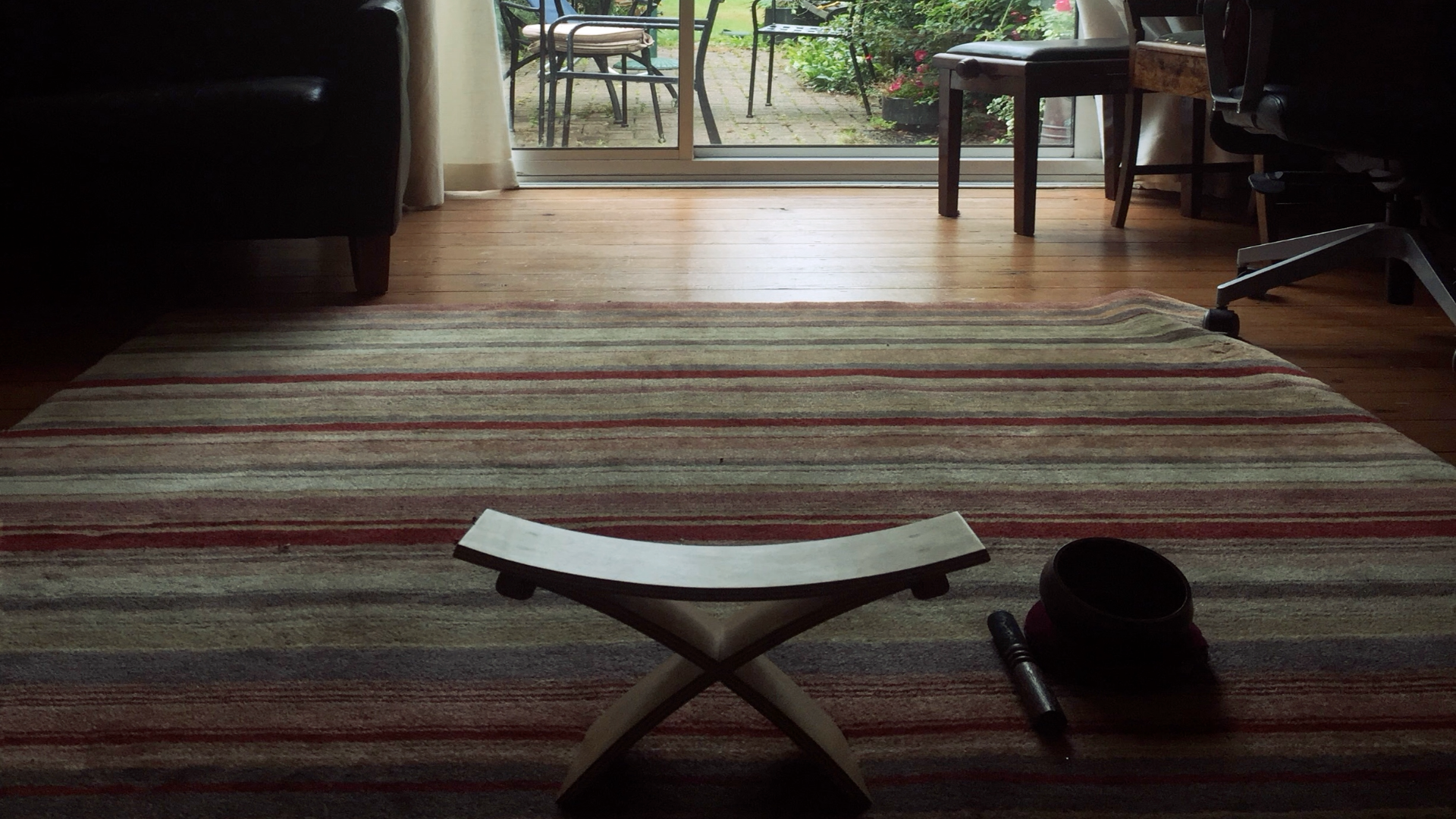
Sitting
I have meditated while Sitting, lying, standing, walking, jogging, and swimming.
I suggest that when you begin meditating, you begin by sitting. The main reason we don't lie down is because we are more likely to fall asleep.
Sitting is just a comfortable and easy way to learn meditation. Once you've learned meditation, I hope you try all of these other options.
You don't need to sit on a cushion. You can sit on a chair or a stool or a bench or anywhere where you're comfortable.
You want to be comfortable so that you're not distracted by the discomfort. Some traditions such as Zen meditation introduce uncomfortable sitting positions simply to generate discomfort and make it part of meditation training. This would just get in the way for most new meditators in the modern world.
There are as many ways to sit as there are meditators, though cross-legged on a cushion is very common.

Posture
The simplest and easiest way to find the best posture is to adopt what I call 'an open, balanced, and relaxed posture'.
To find your open, balanced, and relaxed posture, place your elbows by your side, and find the most comfortable place to balance your head on top of your spine.
This has the benefit of helping your back to be straight which means you are using fewer muscles to stay sitting, you will then become more comfortable and relax more easily.
I advocate the 'chin mudra' which is to place the thumb tip and first fingertip very gently in contact and lay the back of your palms on your thighs.
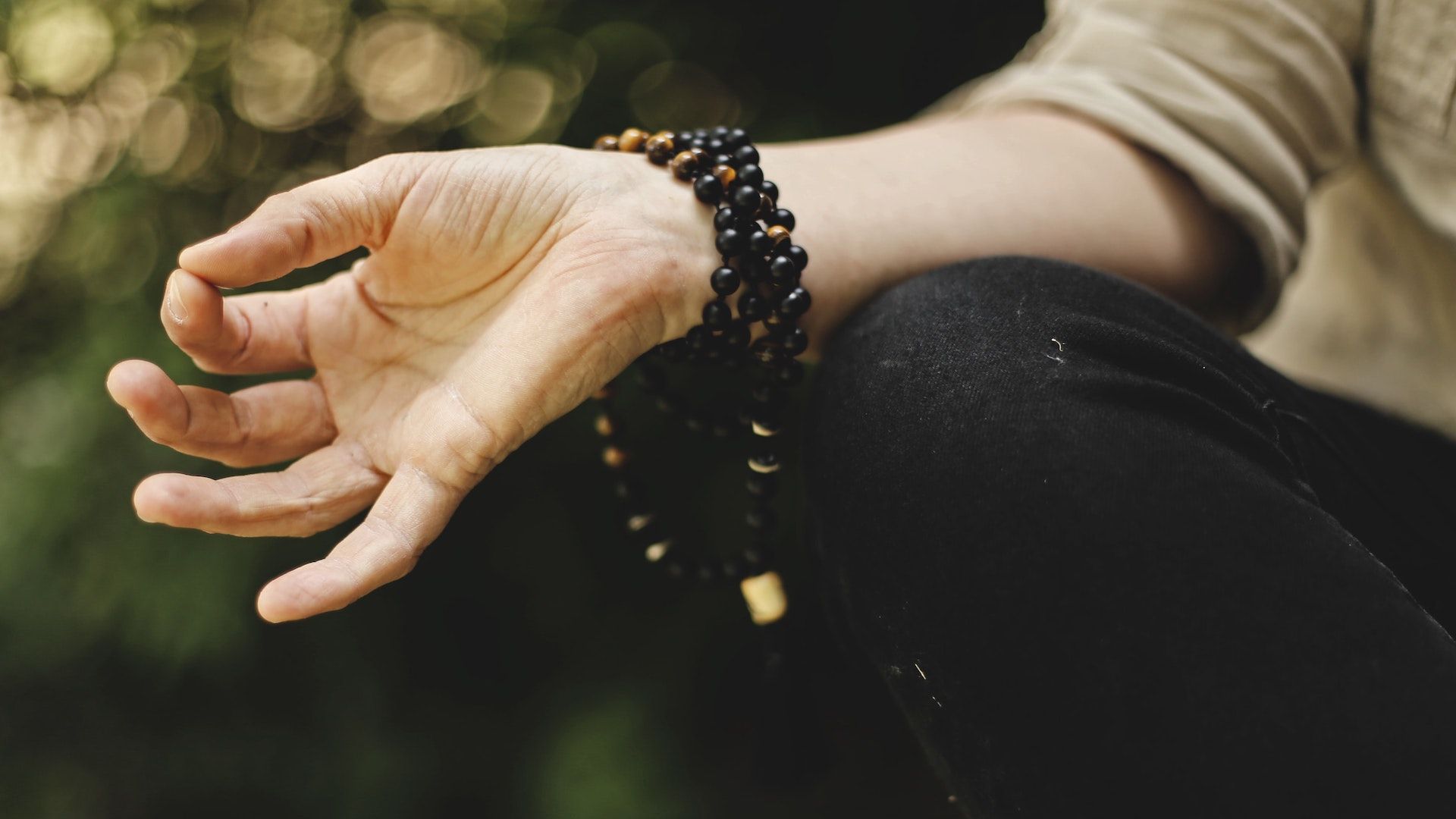
So long as it's comfortable for you, and so long as you don't have a cold, meditate with your mouth closed breathing in and out through the nostrils. This can be easily done by placing your tongue up against the back of the top teeth, leaving it in contact with a sharp part of the bottom teeth very gently.
Either close your eyes or look down past the tip of your nose with your eyes half shut, gently focusing on whatever is 45° in front of you. This is just so you don't get distracted by anything that's going on around you.
That is your start made. Where next?
You now have what you need to sit your first meditation: what it is, how to begin, and how to hold the posture. What comes next is not more information, it is repetition. Ten minutes done regularly will change more for you than another hour of reading.
Almost everyone who tries to meditate alone gives up in the first few weeks. Not because it is difficult, but because nothing in the day makes room for it. That is the problem The Meditation Course is built to solve.
Membership gives you both halves of a practice.
- Live classes. Four every week on Zoom, with me: Tuesday lunchtime, Thursday and Sunday evenings, Saturday morning. Sitting with other people, at a set time, is the single most reliable thing that keeps a practice alive.
- The course library. Over 120 lessons across ten courses - Foundations, Core Practices, Resilience and Stress, Connection, Perspective, Meditation in Depth and more. Yours to work through in your own time, on the days you cannot make a class, and to come back to whenever you need them.
- The Meditation Course Handbook, read chapter by chapter.
- Somewhere to ask when your practice hits a snag, on Zoom or WhatsApp. It will hit a snag. Everyone's does.
It costs about what you would spend on one coffee a week. Your first 30 days are free, and you can cancel whenever you like.
Not ready to pay for anything yet? Take the free weekly Insights instead - one short piece of writing each week to keep you practising. No charge, unsubscribe any time.
Or simply carry on reading: Foundations picks up exactly where this lesson leaves off.